

Yesterday morning at breakfast, my 4-year-old handed me On Beyond Zebra! just as I was stuck thinking through the problems that lay ahead of me at work. One line jumped off the page:
‘There are things that I see / That I never could spell if I stopped with the Z.’
And just like that, I was reminded — great product thinking doesn’t stop at Z.
As I read, and the narrator took me on a magical journey, I thought about a few companies that thought differently about the world. In this post I want to celebrate 3 features that approached problems with solutions that - at the time - set them apart from their peers.
Hipmunk’s Gaant chart flight search
Hipmunk was a travel search startup where I worked for two years until it was acquired by SAP. One of Hipmunk’s unique qualities was the way in which flight search results were shown and organized. Hipmunk sorted flights by a brutal but brilliant metric: agony. Not just price — but layovers, red-eyes, and midnight connections. Then it visualized that pain with a Gantt chart. Suddenly, the worst parts of flying were clear at a glance.
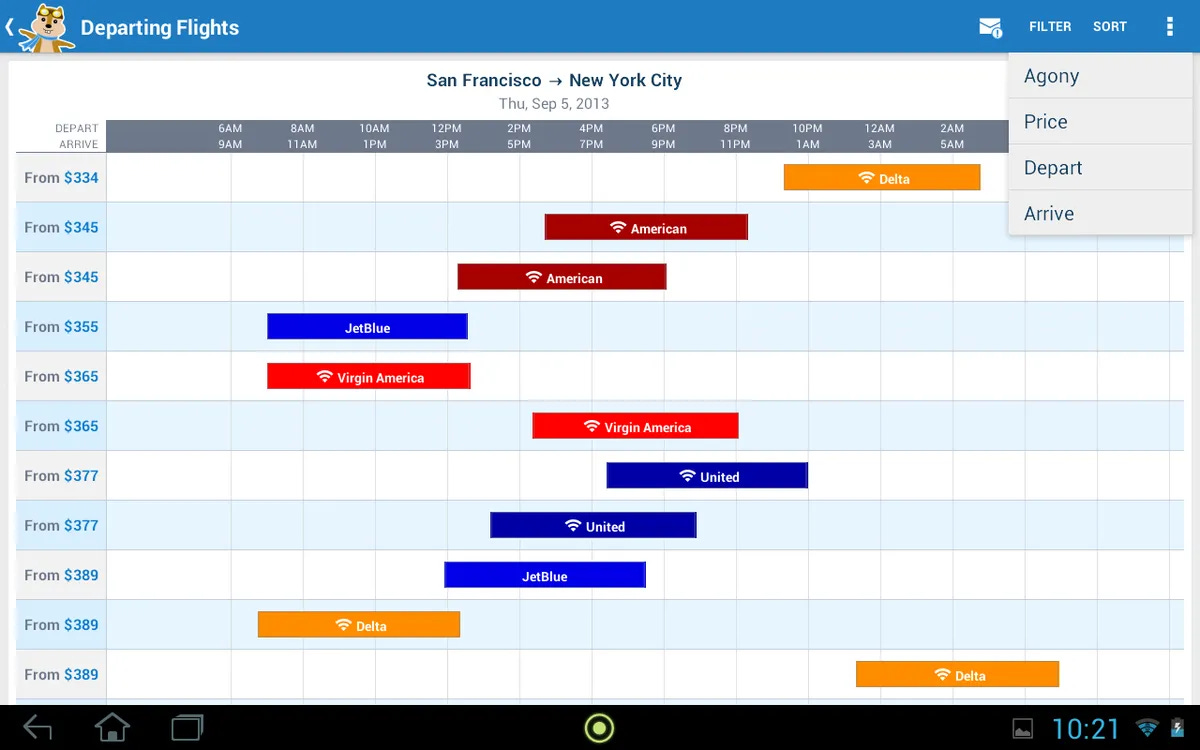
Every other site defaulted to a list — rows of flights, departure times, and prices. Hipmunk flipped the script. Instead of dumping a list of flights, they visualized pain — with a Gantt chart. It was a radical shift toward empathy in design.
Waze’s real-time routing updates
Waze was a map app that gained notoriety for being able to get you to your destination faster than Google Maps. Waze had such a reputation for this, in fact, that they were ultimately acquired by Google. How did Waze do this? Beat a superpower at their own game? They crowdsourced real-time, hyperlocal knowledge — turning every driver into a data point. Suddenly, Waze wasn’t just a map. It was a movement.
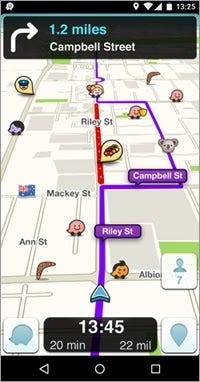
How’d they do this? Waze handed the map to its users, asking them to report crashes, speed traps, and construction in real-time. That turned early users into heroes. Their tips powered smarter routes, and every ping of data made the map feel alive. That stream of user data fed Waze’s algorithm, enabling real-time route updates.
Foursquare’s mayorships
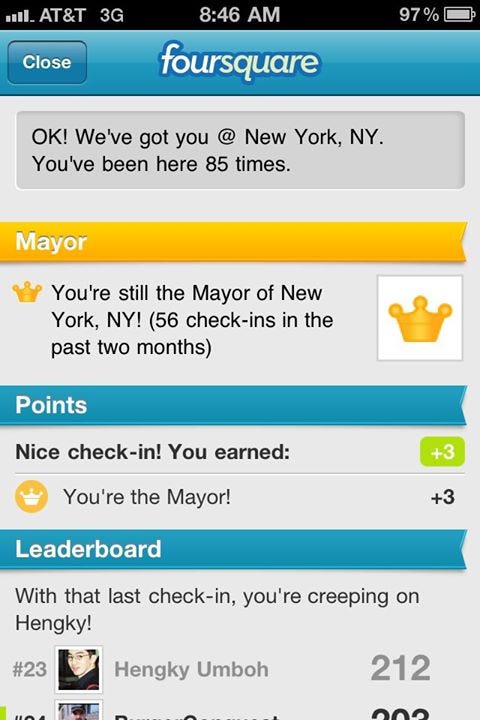
Go back to ~2012 and Foursquare was an app that allowed people to check-in at any location, leave reviews, photos and tips. Sounds a lot like Yelp or Google Maps, right? The problem they faced was how to gain traction in such a crowded space?
They didn’t try to out market Yelp or Google, they innovated and made check-ins feel like a game. It was location-based dopamine — status and bragging rights with every check-in. Rack up enough check-ins and you became ‘mayor.’ The bragging rights made it fun, addictive, and inspired users to leave amazing tips. The game generated talk and viral growth.
Let these products inspire you
These products may be gone, but their ideas live on — each one a masterclass in thinking beyond the obvious. The teams that created Hipmunk’s Gantt chart, Waze’s responsive algorithm and Foursquare’s mayorships all went beyond Z to solve problems that transformed their companies and influenced industries.
So next time you’re stuck in a brainstorm or mired in the obvious, remember: the magic doesn’t stop at Z.
I tried hard to tell
Young Conrad Cornelius O’Donald O’Dell
A few brand-new wonderful words he might spell
I led him around and I tried hard to show
There are things beyond Z that most people don’t know
I took him past Zebra. As far as I could
And I thing, perhaps, maybe I did him some good…
I often think about how transformative Waze is with the real time updates. It was truly a game changer. And sometimes you don't need to completely redefine how a product does thinking but simply sprinkle an enhancement like that to a GPS-like navigation software to greatly improve the UX.
Love how you came up with the idea for this note!