

Personalization has come a long way; but its potential is still largely untapped.
That was the recurring theme when I caught up with Nathaniel Halsey, my former manager at Citi who led personalization and more recently created the go-to-market strategy for an AI decision engine at Curinos. Altogether Nathaniel has spent 20 years in financial service spanning product marketing, digital transformation and consulting including stints at Stripe and Visa.
As we swapped stories, a clear theme emerged: great personalization provokes. It surprises. It delights. And it drives meaningful action.
This week’s Shipping on Friday is that conversation — part nostalgia, part strategy session, and a glimpse at where personalization could go next.
👋 Hey, I’m Alex. I write Shipping on Fridays to explore the craft of how great products get built and what we can learn from the people behind them. I publish 1–2x a month, and every post is meant to be fun, useful, and a little unexpected; from design sprints to sailing races to holiday chaos. If you’re into learning, product or design, this is for you.
Provocation #1: Good Personalization Surprises and Delights
Alex: First of all, thanks for joining me! When we caught up about our contextual messaging days at Citi, it felt like there was a deeper story — and that this is something you’re still thinking about.
Nathaniel: For sure it is! Since Citi I’ve continued to work in and think about personalization. Most recently, I attended a roundtable discussion hosted by Contentful with marketing leaders from Logitech, Wells Fargo, and Visa. The conversation was all about the future of digital experiences: Personalization at Scale.
Right up your alley.
Indeed! One point that really resonated with me was how great personalization provokes. Personalize and provoke. Provoke a response. Provoke a reaction. And that could be surprise and delight.
That phrase — ‘surprise and delight’ — takes me back to Citi.
Yes, and I think of our time at Citi as being at the forefront of personalization at scale. It comes down to two things: 1) the plumbing to deliver the message; 2) the value of what you’re actually saying. Is the offer contextual? Is it compelling? You can have the best data and targeting capabilities, but if your message isn’t relevant, helpful, or well-timed — why would I care?
Provocation #2: Relevance Comes From Timing and Context
Right. I remember we always strived to be relevant.
Do you remember Mobile Check Deposit? That was a great early example. If someone had just deposited a check at a branch or ATM, we’d follow up with a message showing how they could save time by using the mobile app instead. It was one of the first use cases we tested — and it worked.
It goes back to our principles at Citi: demonstrate that we know the customer, and demonstrate that we care. One key to success was timing. We wanted the message to hit while the pain of waiting in line at the bank branch was still fresh. That’s when the relevance was highest.
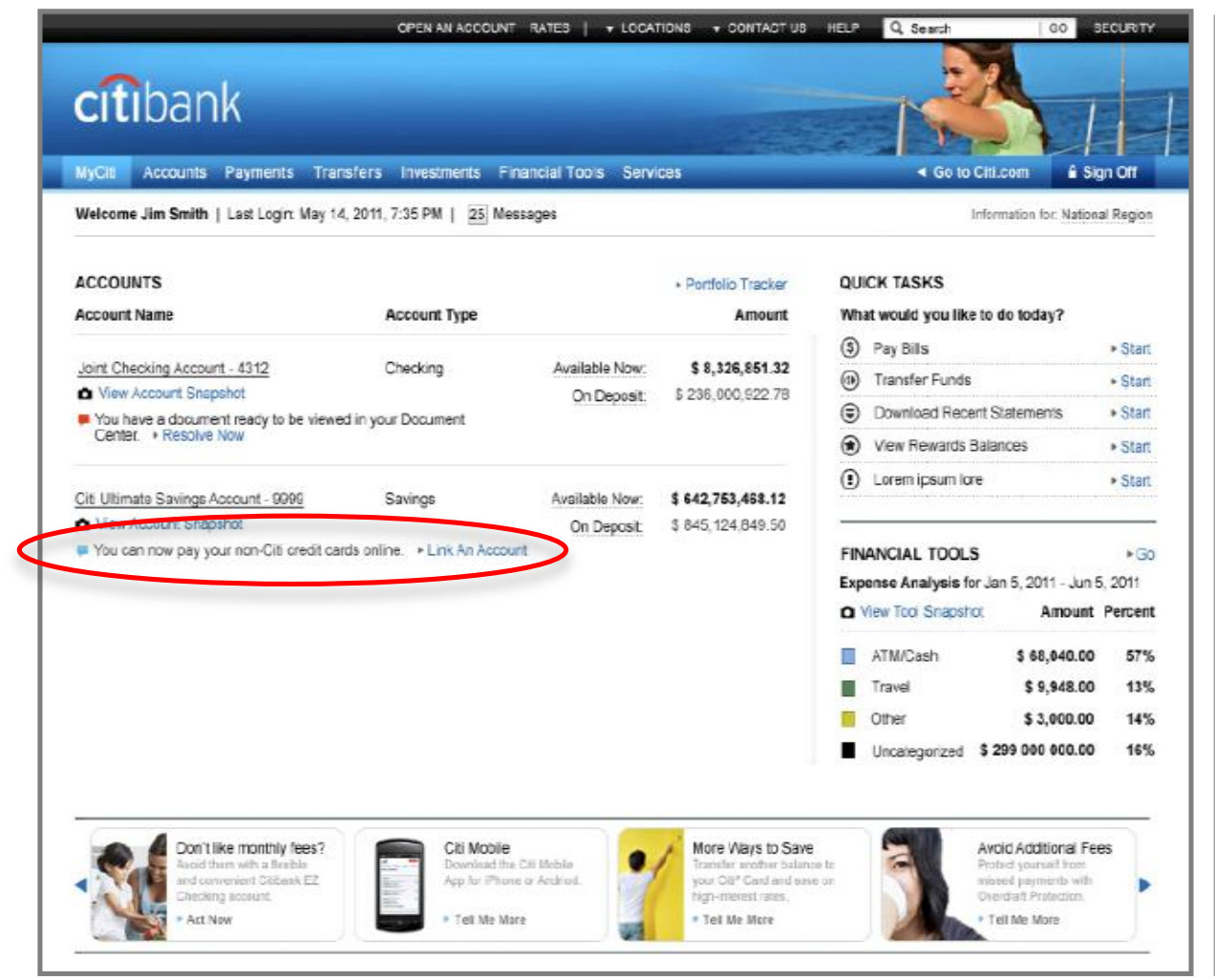
And it worked. Our contextual messages had click-through rates up to 51% higher than generic marketing offers.
That’s because relevance drives results. And so does content that provokes.
Remember Mike Rotella’s work during Hurricane Sandy? That was provocative. He had the idea to show customers in New York a link to donate to the Red Cross. He was excellent at driving relevance, but it was always so much manual work - impossible to scale. Imagine if Mike had AI back then?
It would have really super charged his ability to match customers to relevant content. He could have been matching spend data with real-time context. Today, LLMs can surface relevant content instantly, pulling from transactions and user behavior to match the moment.
We actually tried to do some of that manually. Like analyzing large airline purchases and sending proactive reminders: no foreign transaction fees, or prompts to set travel notifications. Our roadmap even included reminders post-landing.
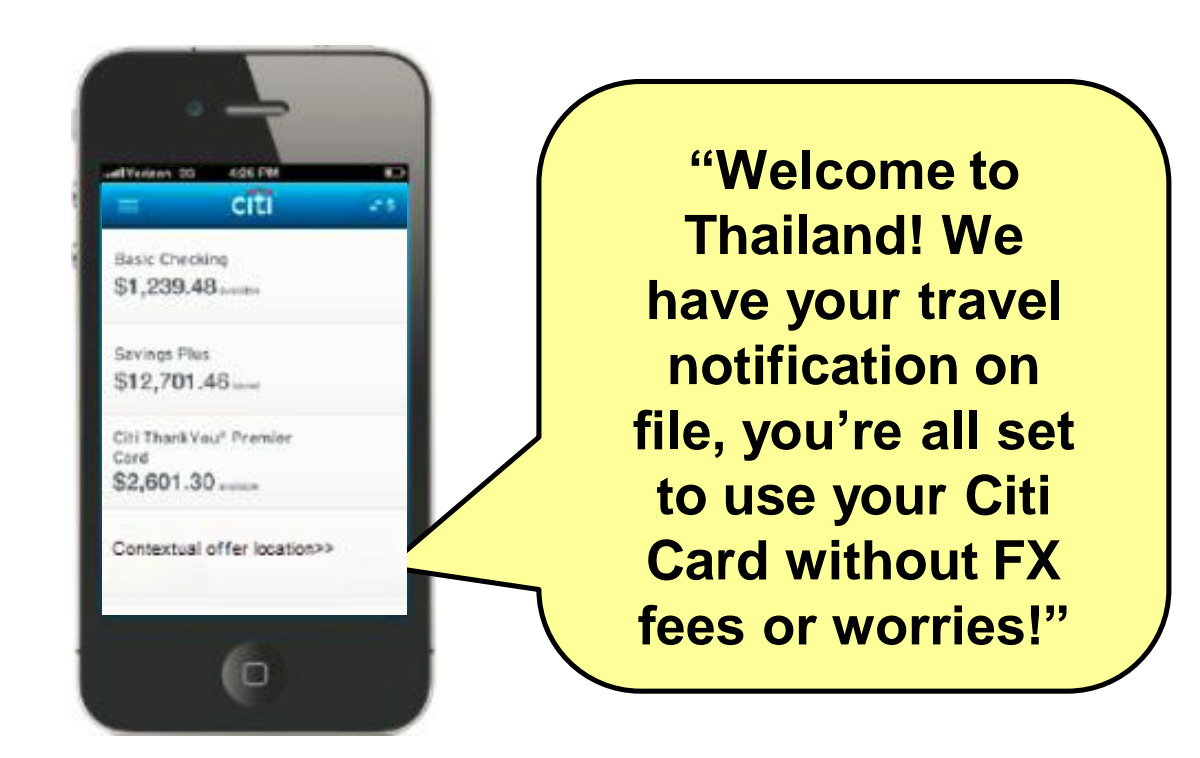
Yes, that’s right — I’d forgotten about that. With AI and LLMs, you can now automate those kinds of journeys. But when it comes to delivering a truly differentiated merchant offer, automation isn’t enough. Someone still has to source the deal.
Provocation #3: AI Can Learn You — But It Can’t Woo You
Has anyone cracked that well at scale?
Not really. CVS is a brand that impresses me; they tailor offers based on what I actually buy and reinforce the value of Extra Rewards. I recently went in for Tide detergent — what would’ve been $19 was $9 with my rewards. That’s a true surprise and delight moment with a compelling offer. Too often, offers are generic or irrelevant. 5% off something I wasn’t going to buy anyway isn’t motivating. When brands get it right, it feels personal. When they don’t, it feels transactional.
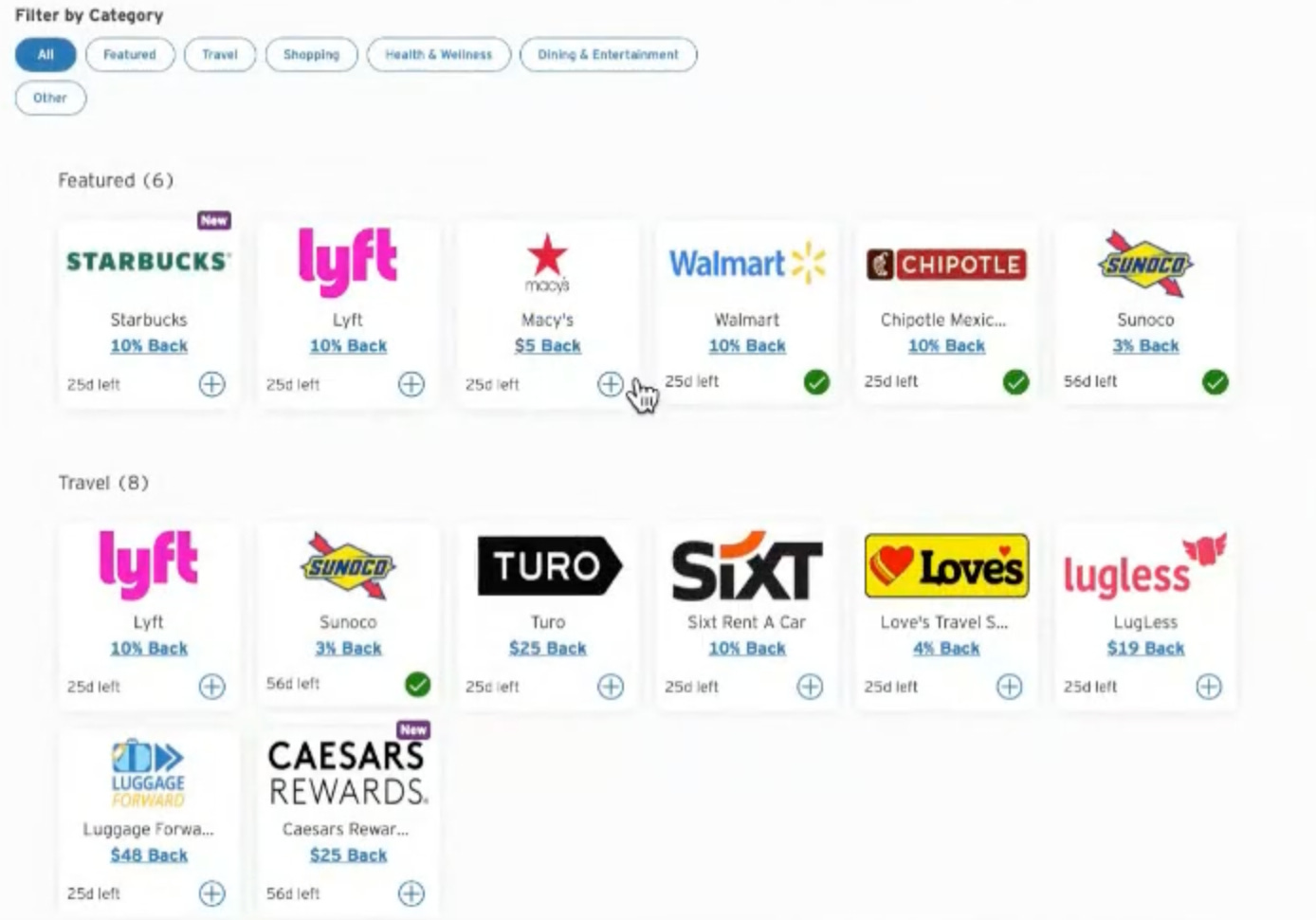
Right, when a brand does that it doesn’t feel personal at all. What it looks like is that they’ve struck a deal to steer you to spend.
You have all this data about me, and this is the best you can do? Now in fairness to these teams, it’s not easy to source deals that are relevant to people. AI can spot patterns. But turning those into compelling offers? That still takes hustle — sourcing deals, shaping context, crafting timing.
The brands that will win are the ones who can leverage the full spectrum of available customer data — securely, compliantly, and with care — to create experiences that are not only personalized, but meaningful. The challenge is ensuring that data fuels content that is compelling and timely, not just accurate.
And financial services comes with added complexity. Personal data is sensitive; regulations are strict; and even well-intentioned personalization can feel intrusive if not handled carefully. That’s why AI must be deployed thoughtfully — not as a blunt tool, but as a precision instrument. It shouldn’t just automate; it anticipates.
The Future: Personalization That Feels Like a Superpower
So where do you think personalization and offers from banks are going?
I think AI will drive a curated experience like a virtual concierge. Let me illustrate. I’m flying to Boston, then renting a car at Avis and heading to Provincetown. I booked it all on my Citi card. Citi knows my Avis pickup is off-airport at the Seaport.
Imagine they send me a discount offer for an Uber to Avis — if I use my Citi card. Then layer in a limited-time offer at Flour Bakery, because they know I always stop there. That’s not just personalization — that’s anticipation.
That’s powerful.
Today, Citi knows they aren’t my default card on Uber or Lyft. This kind of orchestration would help them win that spend. They could offer a discount as soon as I book the flight. The Flour Bakery offer would be the delighter. It says: we see you. We know you. We’re helping you.
Thanks to recent advances, this level of orchestration is no longer hypothetical. AI and large language models can now analyze signals, craft messaging, and deliver hyper-relevant content at scale — something we couldn’t have done even a few years ago.
If personalization is going to escape the realm of discounts and awkward emails, it needs to provoke. Not just know who I am, but make me feel known.
AI is the most powerful tool we’ve ever had — but it’s human creativity, ethics, and care that turn it into something truly valuable. The brands that win the next decade won’t just have the best data — they’ll use it to create moments that matter.
Shipping Takeaways: How to Personalize Without Being Boring
Be provocative — and specific. When we used travel data to trigger proactive messages like “no foreign transaction fees,” engagement spiked. Personalization that provokes is personalization that performs.
Use what you know — or lose trust. Brands have the data. When they ignore it, customers feel unseen. CVS got it right when they offered $10 off detergent I actually buy.
Timing is everything. Our Mobile Check Deposit campaign worked because we hit users right after they waited in line at a branch. The pain was fresh — and the message was magic.
Have you seen a moment of personalization that actually worked? Share it in the comments — I’d love to hear what stood out to you.
This article came at the perfect time, I was literally just thinking about this. How do you ensure personalization at scale stays delightful and doesn't just feel... a bit creepy when the goal is to provoke?