

Is there any overlap between cooking and product management? I think so. Over the pandemic I learned how to cook and now I spend a lot of my free time cooking for my family. I love it. It’s fun creating with my hands, experimenting with recipes and especially rewarding to see the joy good food brings my family. Over the years in the kitchen I’ve realized there are some parallels between cooking and product management. Using the Thanksgiving meal as an example, here’s my take 😉
Align your stakeholders:
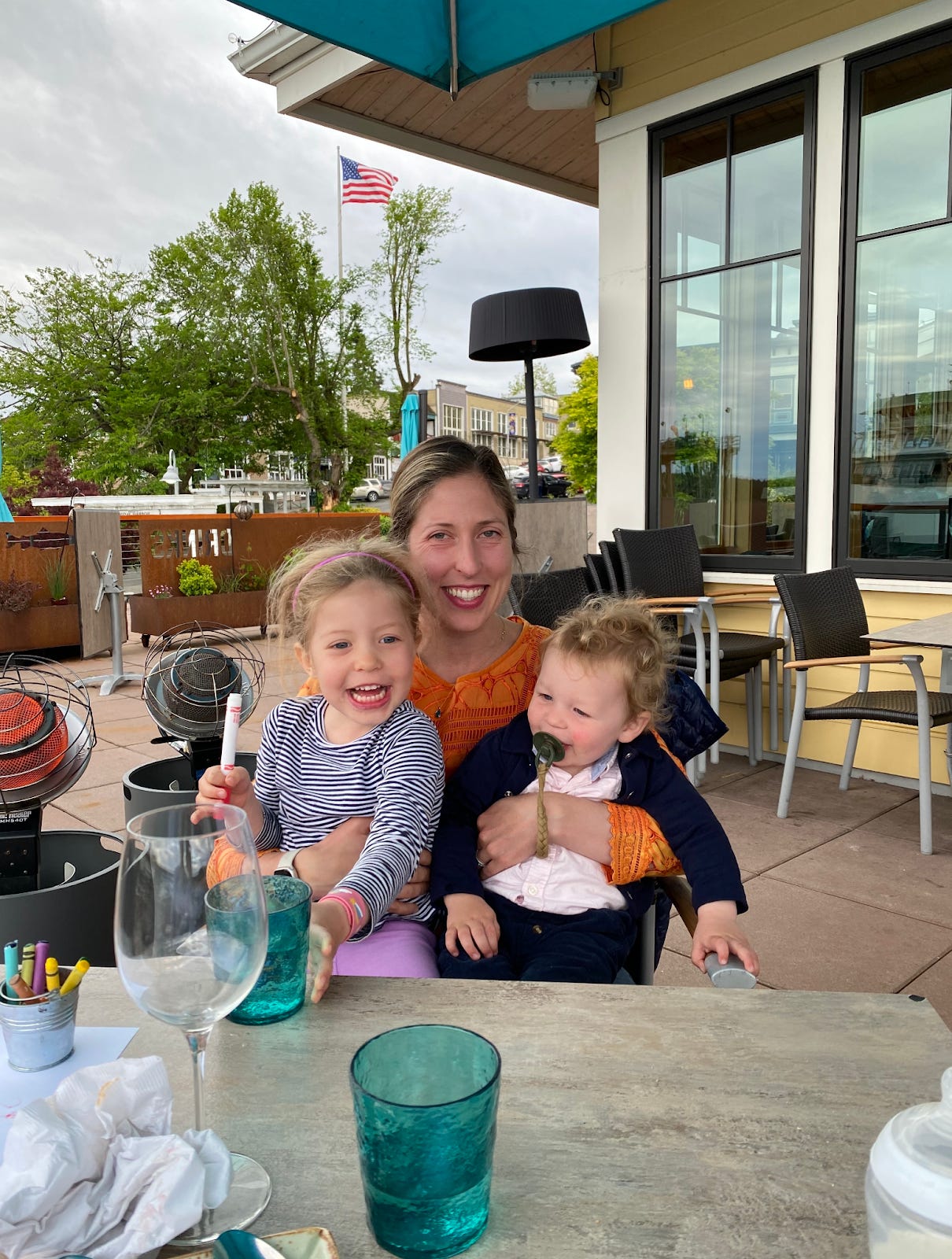
In my house I have 3 stakeholders: my wife, daughter (7) and son (3). My goal is that everyone eats a nourishing meal.
But don’t let your stakeholders run your menu:
If my stakeholders ran the menu we’d be eating pasta with red sauce and chicken nuggets with fries for Thanksgiving. I take feedback from the family (they aren’t into sweet potatoes, they enjoy roasted veggies) and I incorporate that into my menu planning and cooking. But ultimately as the PM (I mean chef) I have to make the hard choices and I know that no meal is going to make all the stakeholders 100% happy all of the time.
Preparation is essential:
Now that you know what you’re going to cook, early thinking about those projects (meals) is essential. I find it really helpful to read over the product spec… err recipe… a few times. For instance, in some cases the recipe might reference unfamiliar techniques like “deglazing” or “browning the butter” (what?!). Reading over the spec also allows you to research and learn these techniques while also lining up all the resources (ehem, ingredients) you’ll need to make the meal. You can also take steps like chopping in advance, and determine what elements of the recipe you’ll want to skip (I almost always descope the garnish - is design polish really needed? 🤣).
Experiment often:
Given that the tastes of my key stakeholders are evolving and changing all the time, I experiment often. For example, sautéed green beans have been a recent hit with everyone, so they’re on the menu. I haven’t tried roasted brussel sprouts with the kids in recent memory, but it’s something my wife and I love so I’m going to give it a whirl with an inventive name like “Brown Sugar Brussels”.
Ship in iterations:
When my stakeholders get hungry, they get hangry. So I like to ship as soon as something is ready and tested (or a particular part of the meal is done). For instance, I’m not going to hold back the troops from eating the Turkey just because the stuffing needs to be warmer or the Brown Sugar Brussels need a few more minutes in the oven.
Eat your own food:
This should go without saying, but as the chef if you’re unwilling to eat your own cooking, why should anyone else?
Try to minimize technical…kitchen debt:
As I cook I try to use downtime to payoff what I call “kitchen debt” or the pile up of dirty dishes, ingredients and general debris around the kitchen. This not only makes the end of meal cleanup a lot faster, but it also speeds the delivery of each recipe. Each ingredient, kitchen tool or platter is where it should be, eliminating any time lost hunting for things. Additionally the cleaner counters give me space to work and focus on delivering the current recipe without past builds (err food) getting in the way.
If all else fails, use a vendor:
And if things really go sideways while you’re cooking you can always bring in a vendor (or Uber Eats).
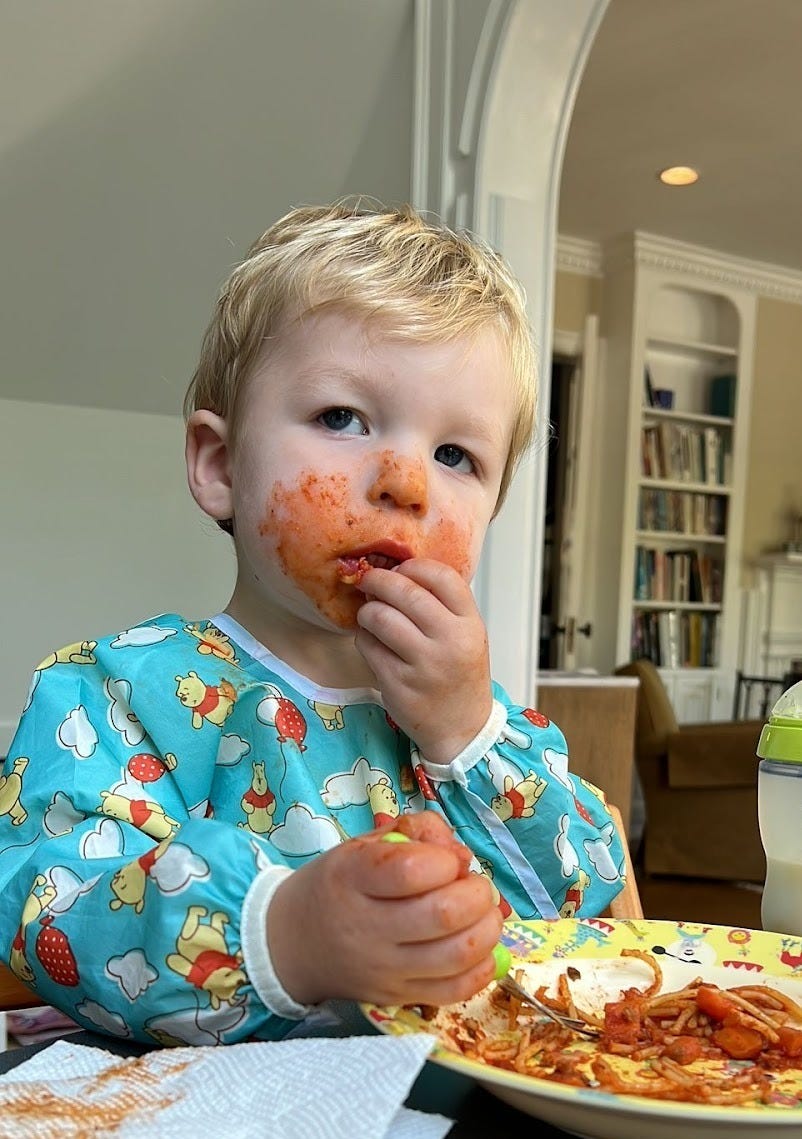
The look on your stakeholders face has me hearing the dramatic pause music that makes you think they're going to go Gordon Ramsay on you with feedback, but the sauce so over their face makes me think they loved it and it'll turn to happier success music afterwards 😂
Great read. Keep up the awesome work Alex!