

Over two and a half years ago, I went on-call for the first time—as PagerDuty’s new Growth PM. Yesterday was my last day.
As my time wound down, three core elements of PagerDuty’s culture stood out: collaboration, learning, and an almost zealous obsession with customer trust.
In this week’s Shipping on Friday, I’ll share three vignettes that stuck with me.
Collaboration: The time we Sent 5 Emails in One Day—and Fixed It
Early on at PagerDuty, I started digging into our free trial experience (for the full backstory, Drew McKinney and I wrote it up here). One thing jumped out immediately: new customers were getting bombarded with emails. On Day 1 alone, they received five messages from three different teams. It was a classic case of “shipping the org chart”—and the result was confusion and clutter for the very people we were trying to convert.
Fixing this wasn’t as easy as saying “let’s just send fewer emails.” Each message had an internal owner, a stakeholder, a purpose. To combat this, we formed an unlikely team: a sales leader, a UX content writer, a sales data analyst, a product marketing manager, and me, a PM. Most of us had never worked together before, and now in this first mission to fix the Day 1 experience, we were being asked to each give up emails for a shared outcome.
That’s where culture came in. What could’ve been a turf war turned into a design sprint. We leaned into the mess with crazy 8s, dot voting, and a healthy dose of curiosity over control. Everyone approached the problem with empathy—for each other and for the customer. We went from five disconnected emails to one clear, cohesive message.
And it worked: the new email drove more than 300% increase in 7-day conversion for those who opened it.
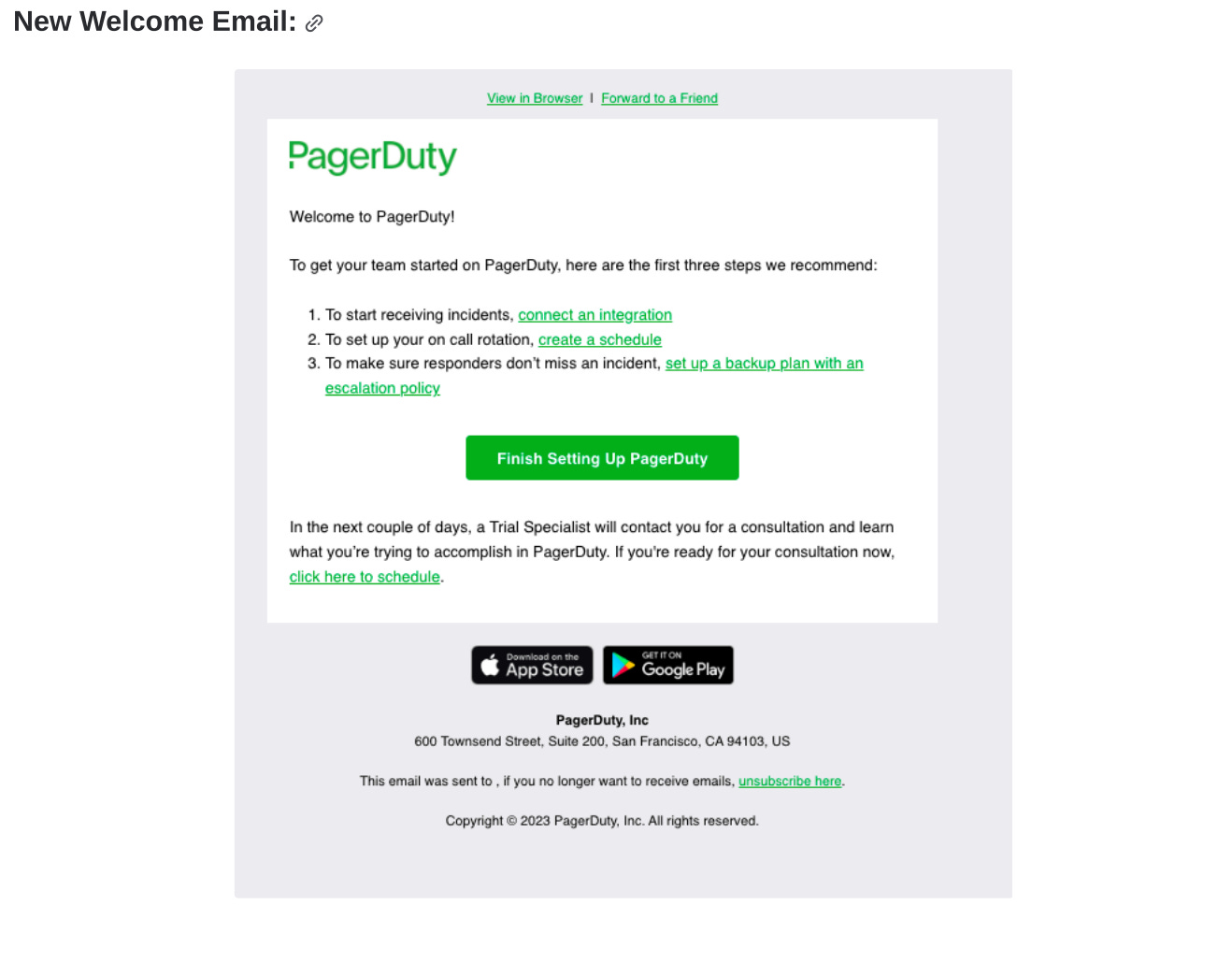
We didn’t just improve the onboarding experience. We proved that collaboration at speed is possible—when the culture allows it.
Learning: The Time we Stretched our Minds Across Time Zones
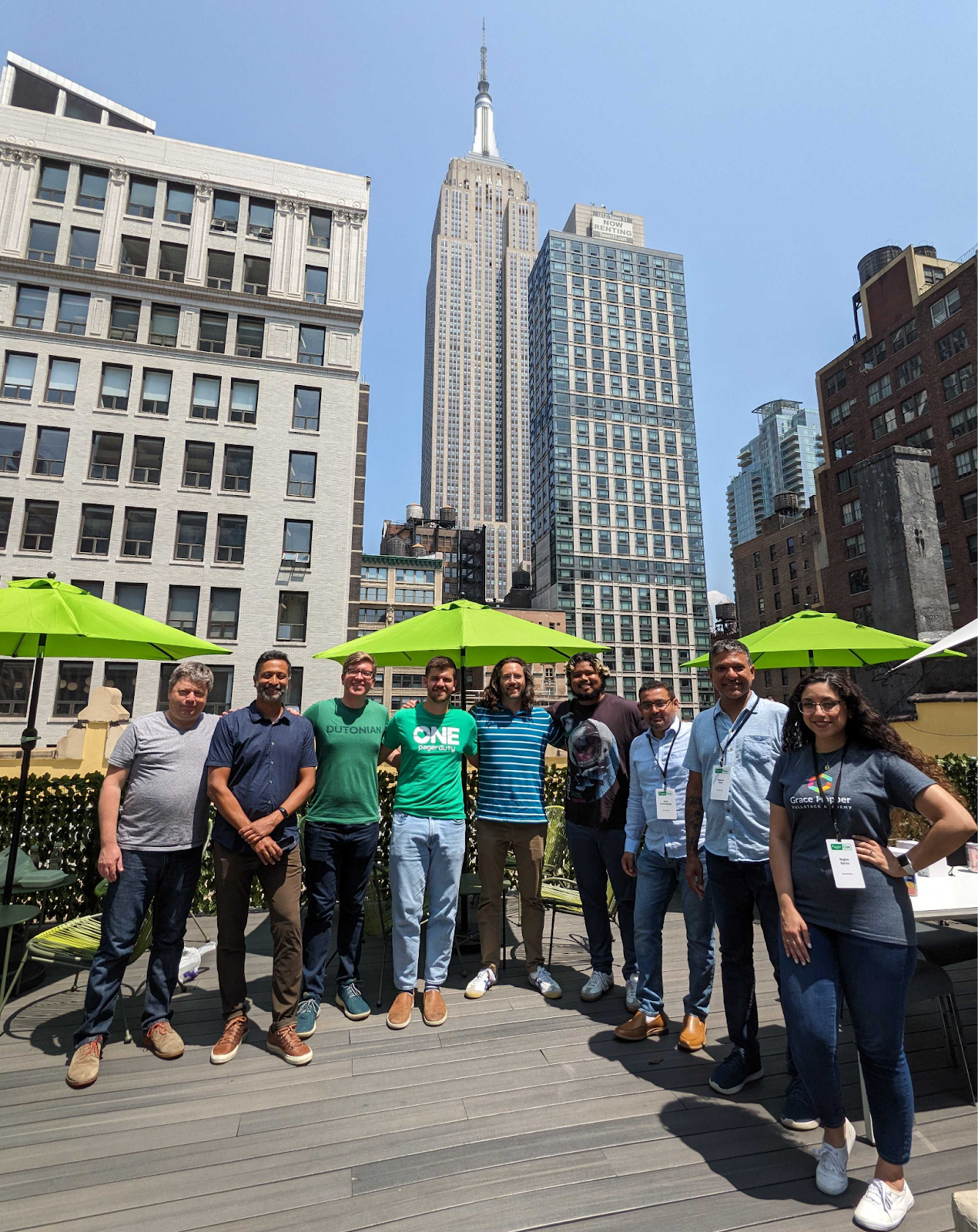
PagerDuty has a tradition called PagerCon—a two-day, internal conference where anyone in product/dev can give a talk. One really special aspect: PagerCon is the only time people gather in co-working spaces across the world on the same day to connect with each other. And the talks can be about... pretty much anything.
A few topics that stuck with me:
How to overcome writer’s block
Being attached to outcomes, not specific ideas
Using Navy SEAL breathing to stay calm in stressful situations
Finding $8M after examining how month-to-month pricing actually worked
Gold mining in Tahoe
What stood out to me was that the product development team (cheered on by the CTO) gave up two days of development time to stretch everyone’s mind. And it worked! Those two days were thought provoking and the spontaneous conversations that I had with the team in NYC always ended up sparking new ideas and energy that I brought back to the Growth team.
Customer Trust: The time the Co-founder Disagreed—and Was Right
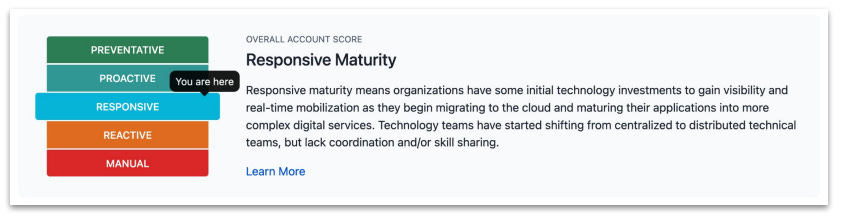
Some time after launching the Operational Maturity Model (OMM - a feature that helps customers understand the health of their account’s configuration on PagerDuty), I was presenting an update on success metrics in our monthly product metrics meeting. It was one of the few standing meetings I both dreaded and loved. The CPO and PMs alike could chime in, ask questions, and challenge assumptions (looking at you, Sean Scott).
Midway through my slide on the OMM, Alex Solomon, our co-founder, stopped me.
His question? Does the model make it too easy to score well? Could customers check the boxes without actually improving their operational maturity? Alex feared negative outcomes for customers and the business. PagerDuty risked inflating our % of well configured customers which might lead us to underestimate our churn risk. If customers, on the other hand, didn’t actually gain operational efficiencies, but saw themselves as more mature they might gain a false sense of security. In essence he was concerned there was a potential for a breach of trust.
Ultimately these questions led to a complete examination of how the OMM score was calculated, ensuring that customers had to complete foundational steps before they could level up and be considered well configured. It ensured the system aligned to real outcomes.
Alex’s question sparked change in the name of improving customer trust.
Fin.
It’s impossible to sum up years in a few snapshots, but these moments—of collaborating, learning, and standing up for customers—capture why PagerDuty was such a special ride.
I’m off to the next adventure, but I’m taking these cultural lessons with me.
Always insightful findings and observations. I especially liked two points: 1) being attached to outcomes instead of specific ideas 2) box breathing can lower the temperature in any times of stress
I do hope to continue to read and garner new ideas in your next venture. Onward and upward.